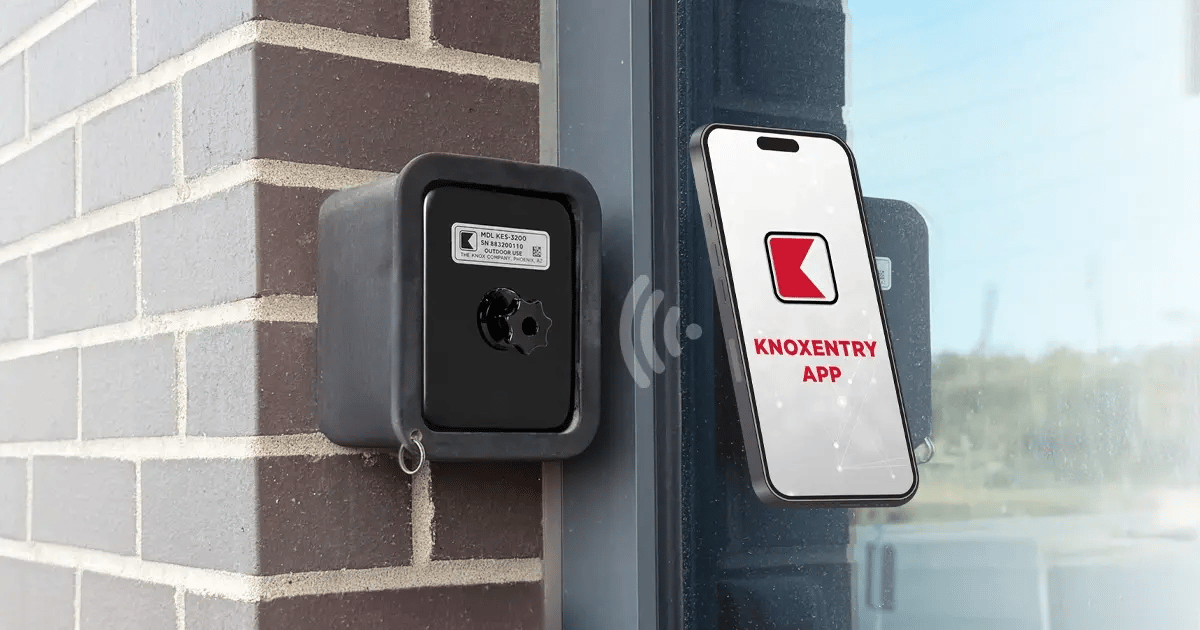
KnoxEntry Mobile Solutions
Traccess
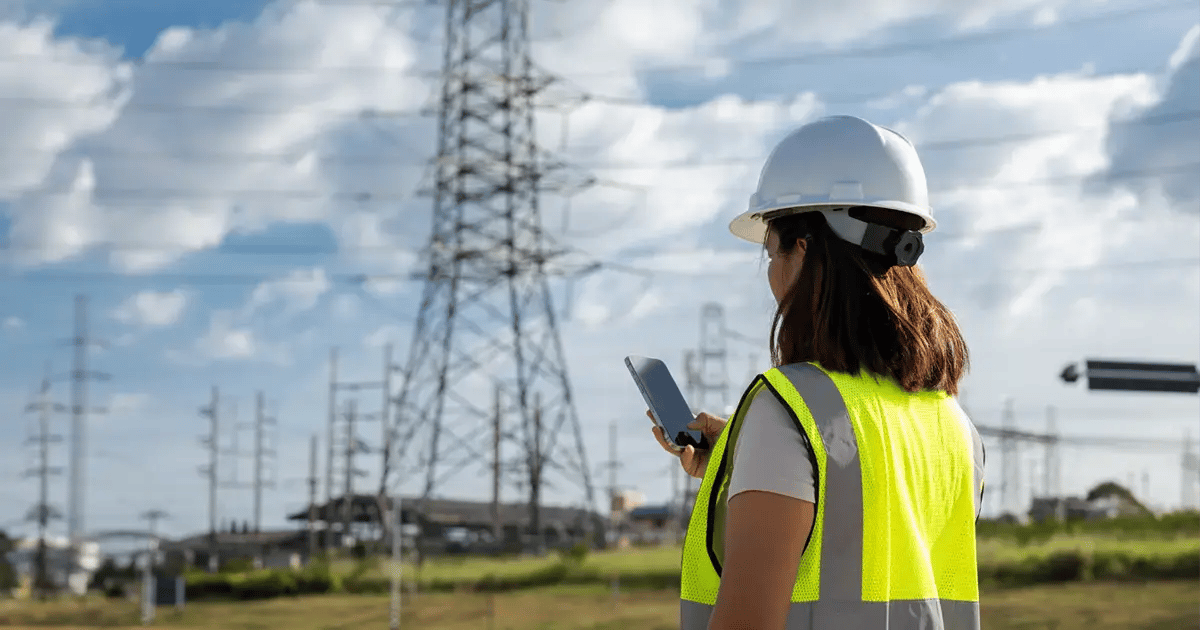

Organizations today face a growing challenge: controlling access to the assets, infrastructure, and equipment that keep operations running safely and efficiently.
While traditional access control systems focus on securing doors and buildings, many organizations have critical assets located outside of those environments. Utility vaults, telecommunications cabinets, service enclosures, rooftop equipment, electrical infrastructure, mechanical systems, key storage locations, and emergency access points often require a different approach.
This is where Critical Access comes in.
Critical Access is the secure, controlled, and auditable management of entry to assets, infrastructure, and equipment that are essential to an organization's operations, safety, compliance, or continuity.
Unlike conventional access control systems that are designed primarily for building entry, Critical Access solutions are purpose-built to protect and manage access to:The objective is simple: ensure that authorized individuals can gain access when needed while maintaining visibility, accountability, and control over who accessed what, when, and why.
Most access control systems were designed around doors, badges, and occupied buildings.
However, organizations increasingly manage assets that exist outside traditional building environments. These locations often present unique challenges:As a result, organizations frequently rely on outdated methods such as mechanical keys, lock boxes, key cabinets, or unmanaged access processes.
These approaches create significant risks:Across industries, organizations are modernizing how they manage access to critical assets.
Financial Institutions
Banks and financial organizations must secure access to ATMs, cash management areas, branch infrastructure, and service equipment while providing authorized access to employees, contractors, and service providers.
Utilities
Electric, water, gas, and telecommunications providers manage thousands of distributed assets that require controlled access across large service territories.
Schools and Campuses
Educational institutions need secure access to facilities, maintenance areas, infrastructure, and emergency response locations while maintaining operational efficiency.
Healthcare
Hospitals and healthcare facilities require controlled access to sensitive infrastructure, equipment rooms, and operational assets that support patient care.
Commercial Properties
Property owners and facility managers must balance security, contractor access, maintenance operations, and tenant services across multiple locations.
Effective Critical Access solutions provide more than a lock.
Organizations should look for solutions that deliver:Critical Access is not simply about security.
It is about enabling organizations to operate more efficiently while reducing risk.
When access is properly managed, organizations can:The result is a more secure, efficient, and resilient operation.
For over 50 years, Knox has helped organizations secure and manage access to critical assets and infrastructure.
This experience has demonstrated a fundamental reality: critical assets require different solutions than traditional access control systems were designed to provide.
Critical Access is not about securing every door.
It is about ensuring trusted access to the assets and infrastructure that matter most while maintaining the visibility, accountability, and control organizations need to operate with confidence.
As organizations continue to modernize operations, Critical Access is becoming an essential part of their overall security and infrastructure strategy.