
Critical Access
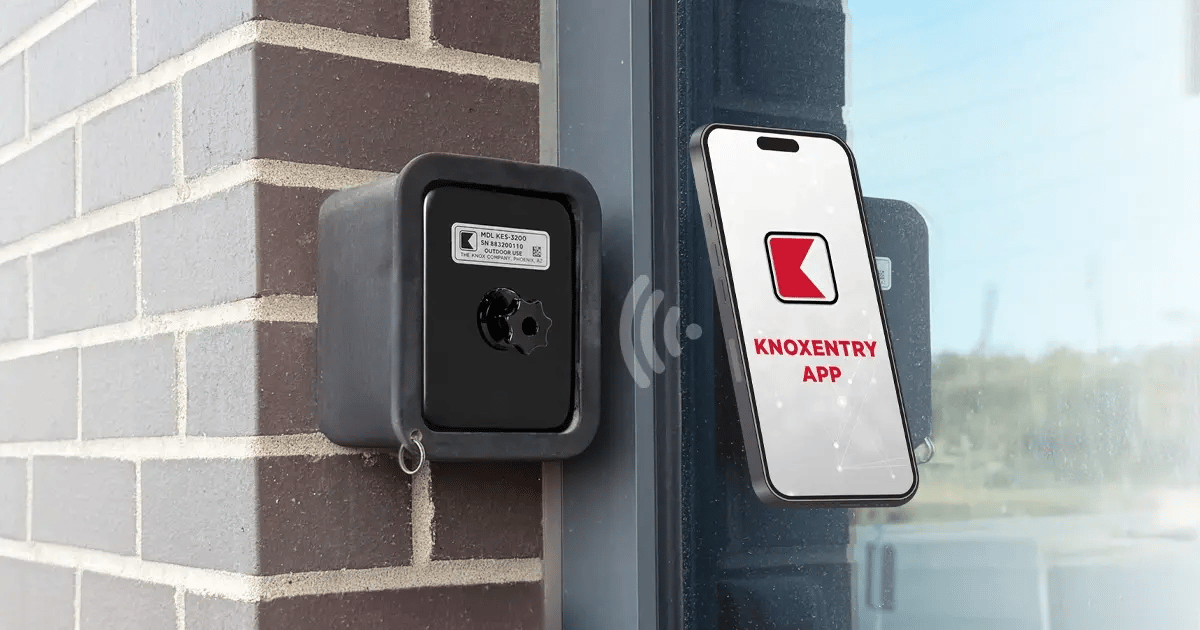

For years, organizations across financial services, utilities, healthcare, commercial facilities, and critical infrastructure have relied on the TRACcess® system to manage controlled access to assets, equipment, and facilities.
With the TRACcess platform anticipated to sunset on January 1, 2027, organizations now face an important decision: simply replace an aging system or use this opportunity to modernize their entire approach to controlled access.
The most successful organizations are doing more than planning a replacement. They're evaluating how access is managed across their operations, improving accountability, strengthening security, and positioning themselves for future growth.
When a controlled access platform reaches end-of-life, the challenge extends beyond replacing hardware.
Organizations must evaluate:
For many organizations, the transition away from TRACcess represents an opportunity to address longstanding operational challenges while implementing a modern controlled access strategy.
The earlier organizations begin planning, the more flexibility they have to evaluate options, budget appropriately, and deploy solutions on their own timeline.
Today's organizations face greater expectations around operational visibility and accountability than ever before.
Whether managing contractors, employees, service providers, or third-party vendors, organizations increasingly want answers to simple but important questions:
Traditional key-based systems often make answering these questions difficult.
Modern, electronic controlled access solutions help organizations improve accountability through centralized credential management, access event reporting, and operational visibility across facilities and locations.
As compliance, security, and operational oversight requirements continue to evolve, accountability is becoming a critical factor in replacement decisions.
Many organizations originally adopted controlled access solutions to reduce the challenges associated with traditional key management.
Those challenges remain relevant today.
Wide distribution of physical keys can create operational risks including:
Modern controlled access solutions reduce these risks by securing keys at the point of service while allowing administrators to manage access credentials electronically.
Rather than distributing physical keys across dozens or hundreds of individuals, organizations can maintain greater control while simplifying administration.
Organizations today manage increasingly distributed operations.
Financial institutions oversee branch networks. Utilities maintain infrastructure across large geographic territories. Commercial organizations support multiple facilities, contractors, and service providers.
As operations become more complex, centralized oversight becomes increasingly important.
Organizations evaluating a TRACcess replacement often prioritize:
A cloud-based management platform can help simplify administration while providing greater visibility across an organization’s controlled access environment.
One of the most common concerns during a system transition is deployment cost.
Many replacement solutions require complete removal of existing infrastructure, resulting in:
Organizations increasingly seek solutions that provide deployment flexibility.
Retrofit options can help modernize controlled access systems while reducing installation complexity, minimizing disruption, and preserving existing infrastructure investments.
For many organizations, the ability to transition in phases is just as important as the technology itself.
As organizations evaluate alternatives, some may consider lower-cost consumer or retail lockbox products.
While these solutions may appear attractive initially, enterprise organizations often require capabilities that extend beyond basic key storage.
Critical infrastructure environments frequently demand:
Organizations responsible for protecting critical assets must evaluate not only purchase price but also long-term operational requirements, security expectations, and scalability.
Organizations continue investing heavily in cybersecurity, operational resilience, and risk management.
Yet physical security remains a foundational component of any comprehensive security strategy.
A weak physical access point can undermine broader security initiatives and expose critical infrastructure, facilities, assets, and credentials to unnecessary risk.
As organizations modernize their security posture, controlled access solutions are increasingly viewed as part of a larger operational security framework rather than simply a key management tool.
Technology is only one component of a successful transition.
Implementation planning, training, deployment support, customer service, and long-term system support all contribute to project success.
Organizations increasingly seek providers that offer:
A trusted partner can help organizations navigate transition planning, develop phased deployment strategies, and align solutions with operational requirements.
The upcoming TRACcess sunset presents a clear deadline, but it also presents an opportunity.
Organizations that begin planning now can use this transition to strengthen security, improve accountability, simplify administration, and modernize how access is managed across their operations.
Rather than simply replacing an aging system, forward-thinking organizations are using this moment to build a more secure, scalable, and accountable controlled access strategy for the future.
Every organization has unique operational requirements, infrastructure constraints, and security objectives. Whether you're evaluating retrofit solutions, planning a phased transition, or exploring a complete modernization strategy, understanding your options is the first step toward a successful migration.
Knox offers enterprise-grade controlled access solutions designed to help organizations improve accountability, simplify credential management, strengthen security, and modernize access to critical assets and infrastructure.
Explore TRACcess replacement options and discover how Knox can help your organization transition with confidence while minimizing disruption and preserving existing infrastructure investments.